
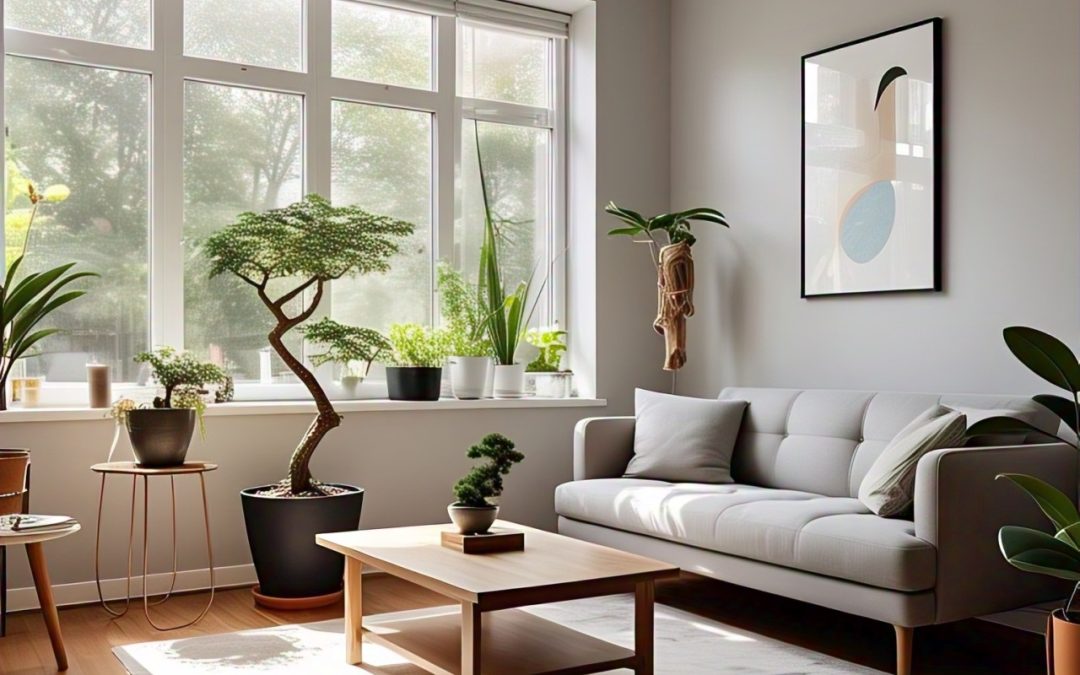
Getting out in the morning to a very busy schedule and coming back to a less tranquil home environment couldn’t be more unsettling. This makes creating a peaceful sanctuary at home more important than ever. One of the best ways to achieve this is through biophilic design, an approach that integrates nature into interior spaces to enhance well-being, reduce stress, and promote relaxation. Wherever you live, in a city apartment or a suburban house, here are ten practical ways to bring biophilic design into your home and transform it into a calming oasis.
-
Incorporate Natural Light
Making the most of natural light is a key element of biophilic design. Open your curtains, use sheer drapes, and place mirrors strategically to reflect light throughout your space. Skylights and large windows can also help bring the outdoors inside, boosting mood and productivity.
-
Use Indoor Plants Generously
Plants are at the heart of biophilic design. They purify the air, increase oxygen levels, and create a connection to nature. Popular indoor plants like peace lilies, fiddle leaf figs, and snake plants thrive in home environments. They do not just add nature’s beauty only, but also an instant touch of greenery.
-
Integrate Natural Materials
Opt for furniture and decor made from natural materials such as wood, stone, bamboo, and rattan. These textures evoke the beauty of nature, adding warmth and authenticity to your interiors.
-
Add Water Features
Sitting by a stream and hearing its soothing sounding has a way of promoting relaxation. Yes, the soothing sound of water promotes relaxation. Bring this idea into your living space. A tabletop fountain, indoor waterfall, or even an aquarium can help you embrace the principles of biophilic design by bringing a sense of tranquility into your home.
-
Choose Earthy Colors
Incorporate colors inspired by nature, such as soft greens, warm browns, ocean blues, and sandy neutrals. These tones create a serene atmosphere and make your space feel more inviting and peaceful.
-
Create a Living Wall
A vertical garden or living wall is an excellent way to maximize greenery in small spaces. You can install a moss wall, hanging planters, or a modular green wall system. This feature will not only improve air quality but also serve as a striking focal point.
-
Design with Organic Shapes
If you look at modern architecture, it is dominated by straight lines and sharp angles, but biophilic design embraces curves and organic shapes. So, choose furniture and decor that mimic nature’s fluid forms, such as round tables, arched mirrors, and flowing fabrics.
-
Incorporate Natural Scents
Engage your sense of smell with essential oils, dried herbs, and natural candles. Lavender, eucalyptus, and sandalwood can enhance relaxation, making your home feel like a true retreat.
-
Open Up to Outdoor Spaces
If you have a balcony, patio, or garden, make it an extension of your living space. Use comfortable seating, outdoor plants, and warm lighting to create a perfect transition between indoors and outdoors, reinforcing the biophilic design connection.
-
Use Artwork Inspired by Nature
You will need wall art featuring landscapes, botanical prints, or ocean scenes. This will not only add beauty to your indoor space but can strengthen the connection to nature. Choose artwork that evokes a sense of calm and complements your home’s natural elements.
And so…
Implementing biophilic design is a powerful way to create a more calming, healthier home environment. By incorporating natural light, greenery, organic materials, and sensory elements, you can transform your space into a tranquil oasis that help your well-being thrive. Start small, experiment with different ideas, and enjoy the benefits of living closer to nature!